Jagadeesh Mummana
Visakhapatnam, India
Electronics undergrad exploring chip design, robotics, and real-world ML systems. This is my little corner of the internet, where you’ll find my work, ideas, and experiences.
Education
 National Institute of Technology Calicut (NITC)
Bachelor of Technology in Electronics and Communication Engineering
2023 - 2027 | Calicut, Kerala, India
Grade: 8.51/10 (CGPA)
Lab Involvement
 RIGNITC - Robotics Interest Group @ NITC
Technical Member
Nov 2024 - Present
Kerala, India
Working on several real-world interdisciplinary projects as part of robotics enthusiast teams while representing the institute on competitive platforms
 School of Electrical and Computer Sciences @ IIT BBS
Summer Research Intern
May 2026 - July 2026
Odisha, India
FPGA- and ASIC-Optimized RTL Automation and Comparative Hardware/Statistical Evaluation of LFSR-Derived and Cellular Automaton-Based PRPG Architectures in BIST
Summer Project Member
Apr 2025 - July 2025
Kerala, India
Trained models for MRI-based Alzheimer’s & MCI classification
Featured Projects
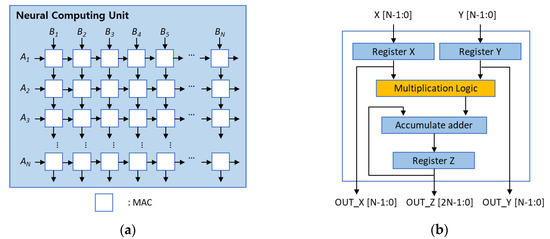
INT8 Fixed-Point CNN Hardware Accelerator and Image-Processing Suite
Designed and implemented a quantized Res-CNN with hardware acceleration, fixed-point analysis, ROM automation, and AXI-Stream image processing blocks.
View Project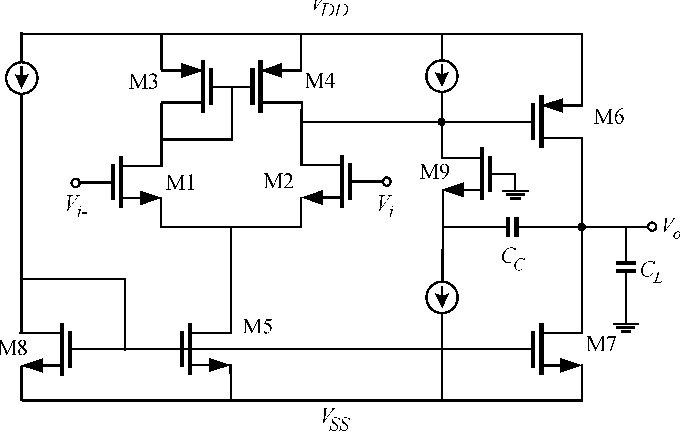
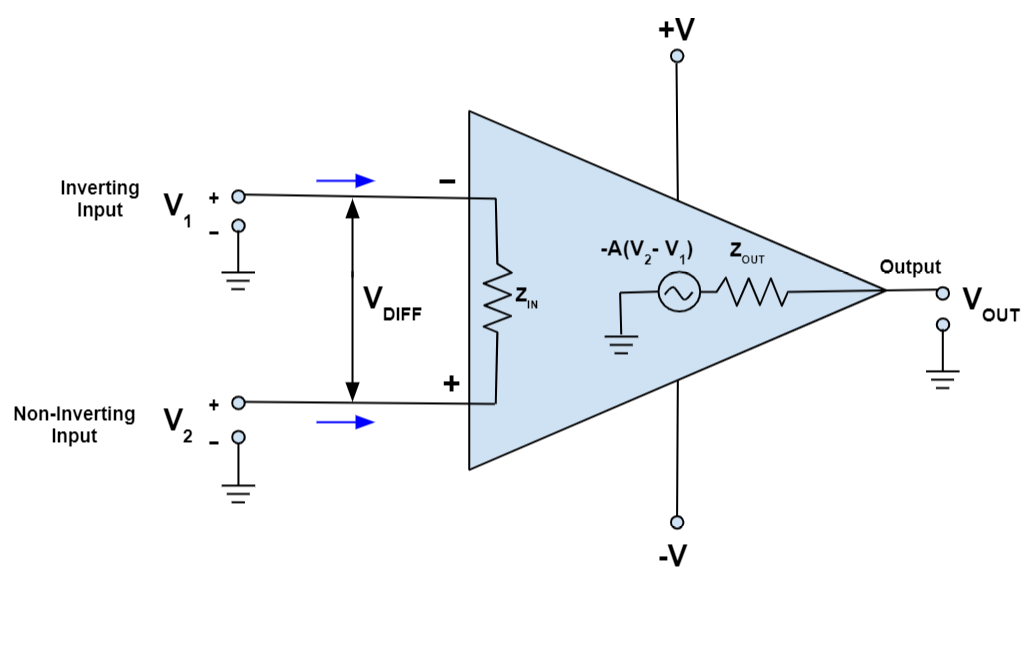
Two-Stage CMOS Op-Amp with Miller Compensation
Designed and analyzed a two-stage CMOS op-amp with Miller compensation and measured small-signal and stability metrics.
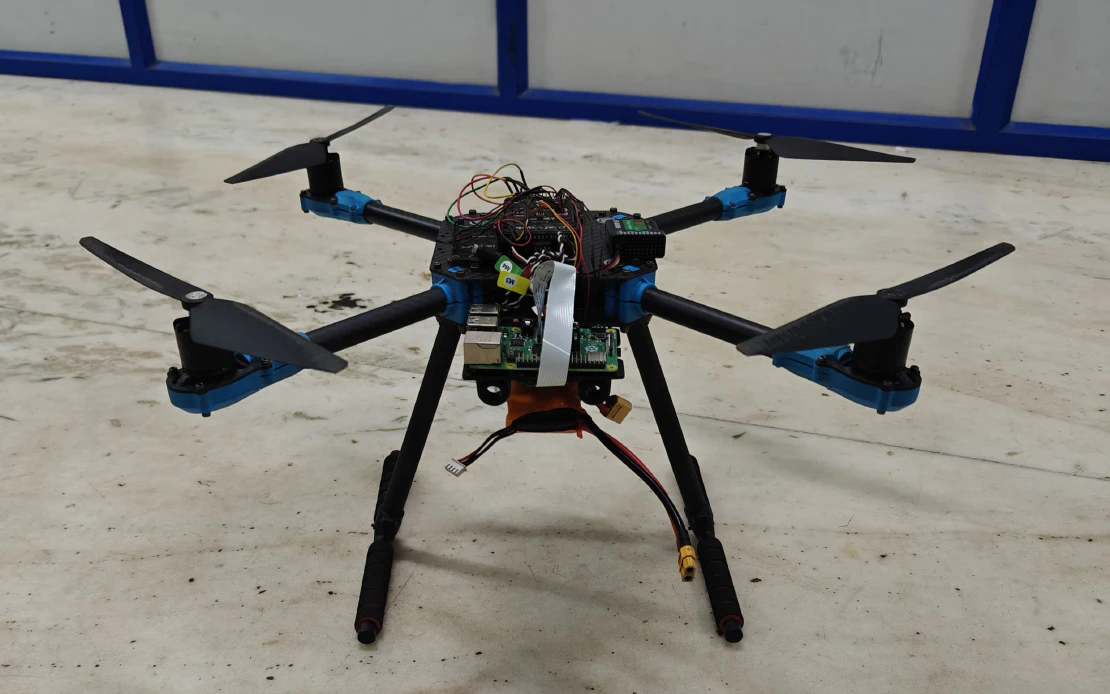
Autonomous Drone for GNSS-Denied Environments (ISRO IRoC-U 2025)
Designed and validated a quadrotor platform for GNSS-denied navigation with visual–inertial localization and simulation.
View ProjectFeatured Blogs
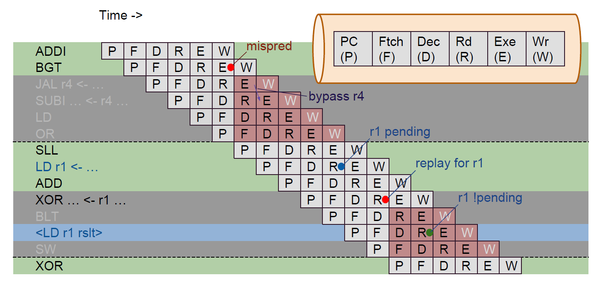
April 5, 2026
Optimising a Pipelined RISC-V Core: From Naive Pipeline to Near-Superscalar Performance
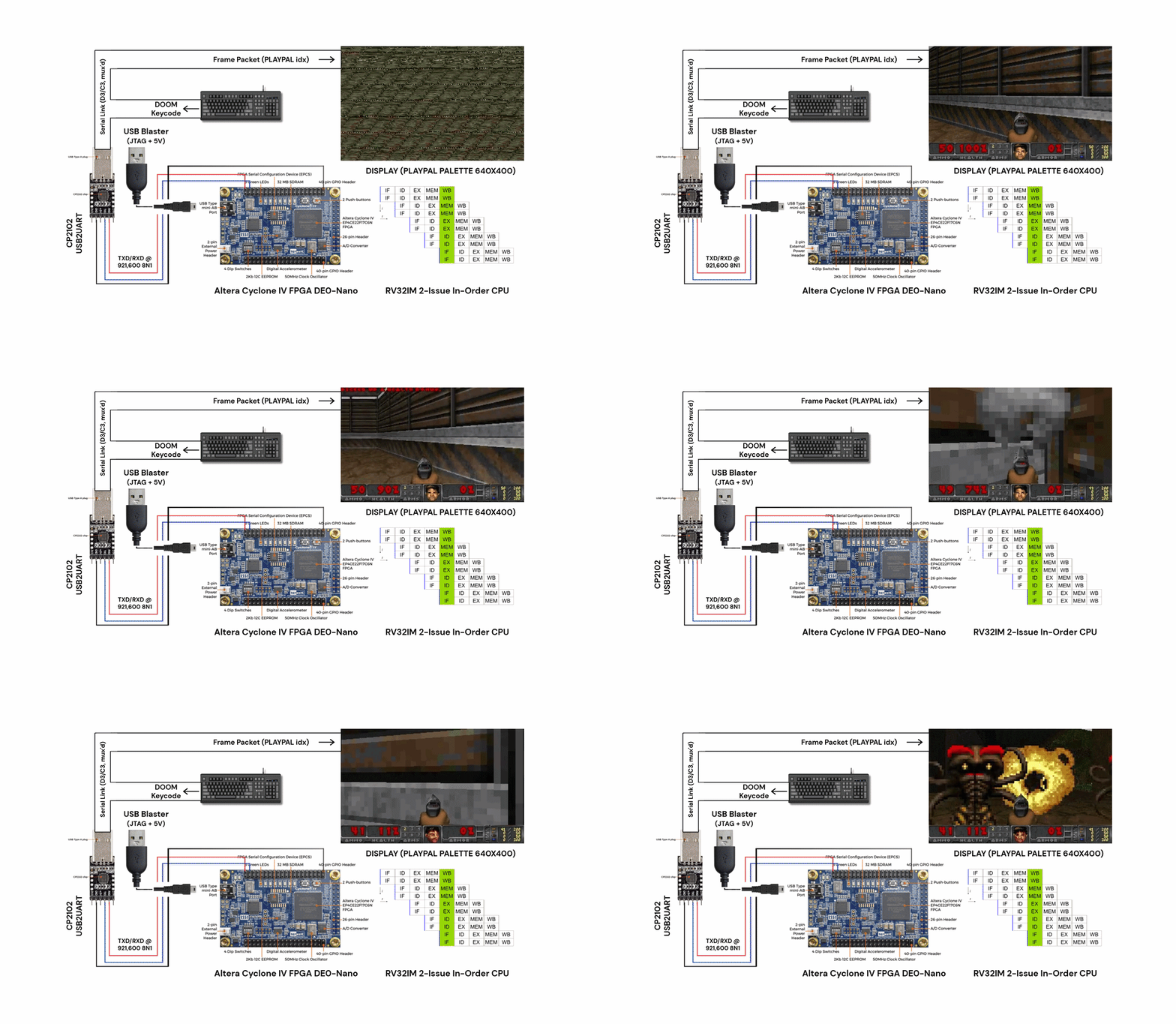
This post walks through the complete optimization journey of a single-issue pipelined RV32I core, from a plain five-stage implementation all the way to a version that runs within 2.3% of a superscalar design on CoreMark. Every number here comes from actual simulation runs on my own implementation. This is not a theoretical survey – it is what happened, step by step, with real cycle counts.
Before getting into the details, a disclaimer worth repeating throughout: modern high-performance processors like those from ARM, Intel, or Apple are not just superscalar, they are wide out-of-order superscalar with speculative execution, branch prediction trained on billions of cycles of silicon, register renaming, reorder buffers, and execution units that would make what is described here look like a toy. That context matters, and so does what this comparison intentionally excludes. All CoreMark/MHz figures here are frequency-normalized because superscalar and superpipelined designs face harder timing closure, with wider forwarding muxes, more register file ports, and longer critical paths. Collapsing everything into a single clock frequency number would obscure the microarchitectural comparison. The goal here was never to match a Cortex-A or an M-series core.
May 15, 2025
Why RISC-V Is Better for Custom Silicon

January 3, 2025