
Showing Posts From All

ROS 2 vs ROS 1: What Changed and Why It Matters?
Is ROS 1 still the right choice for your next robotics project, with its well-established tools and wide community support? Or, given the growing demand for real-time performance, scalability, and modern middleware, is it finally time to make the move to ROS 2?
Read more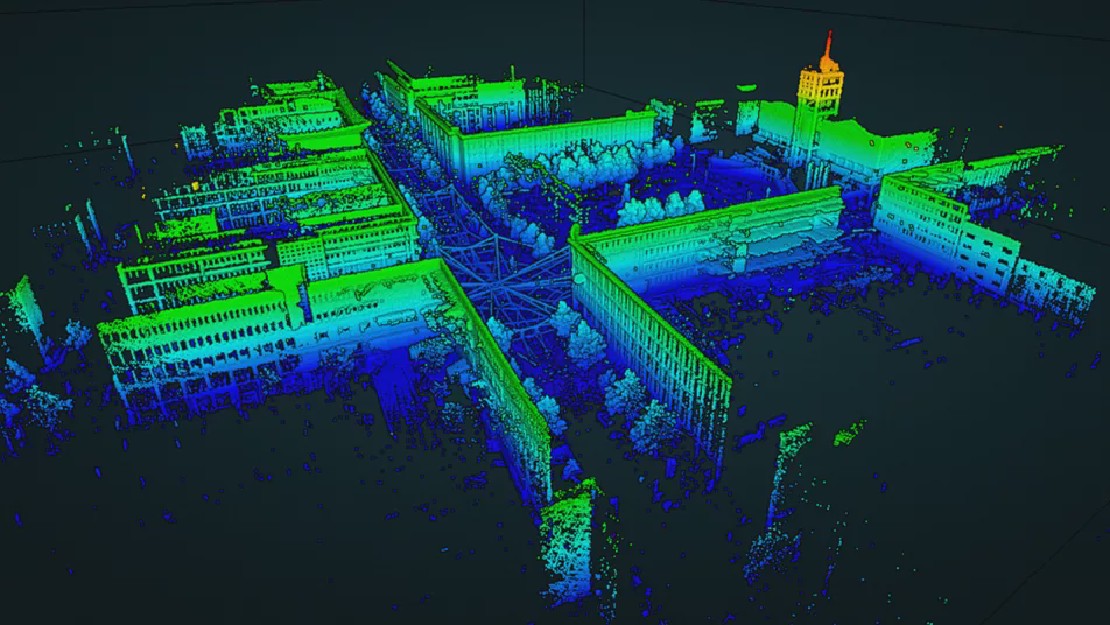
What is SLAM? And Why It’s the Brain of Mobile Robots
In robotics, SLAM—Simultaneous Localization and Mapping—is regarded as one of the most fundamental and complex problems. At its core, SLAM addresses a deceptively simple question: “Where am I, and what does the world around me look like?”
Read more
Switch to Linux and Thank Me Later
You’re not really using your computer — you’re being allowed to. If the system decides how you work, who’s really in control? Linux doesn’t assume how you want to use your machine — it asks.
Read more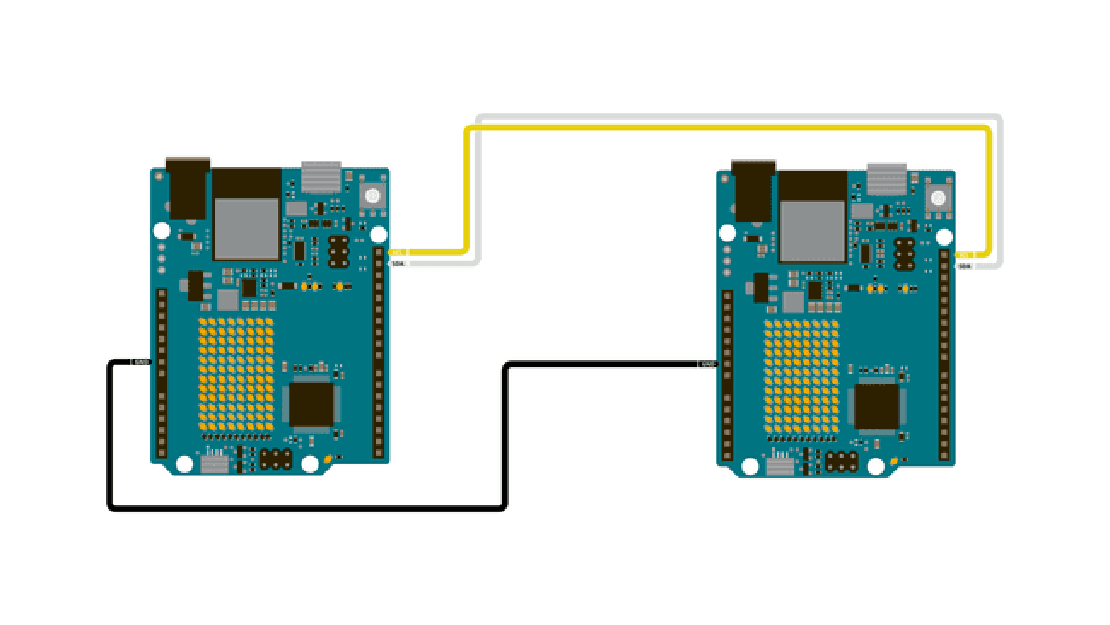
I²C: Fundamentals and Practical Aspects of Inter-Integrated Circuit Communication
I²C is a synchronous, half-duplex, multi-master, multi-slave serial communication protocol developed by Philips (now NXP) in the 1980s. It was designed for on-board communication between integrated circuits, especially in systems with multiple low-speed peripherals controlled by a microcontroller.
Read more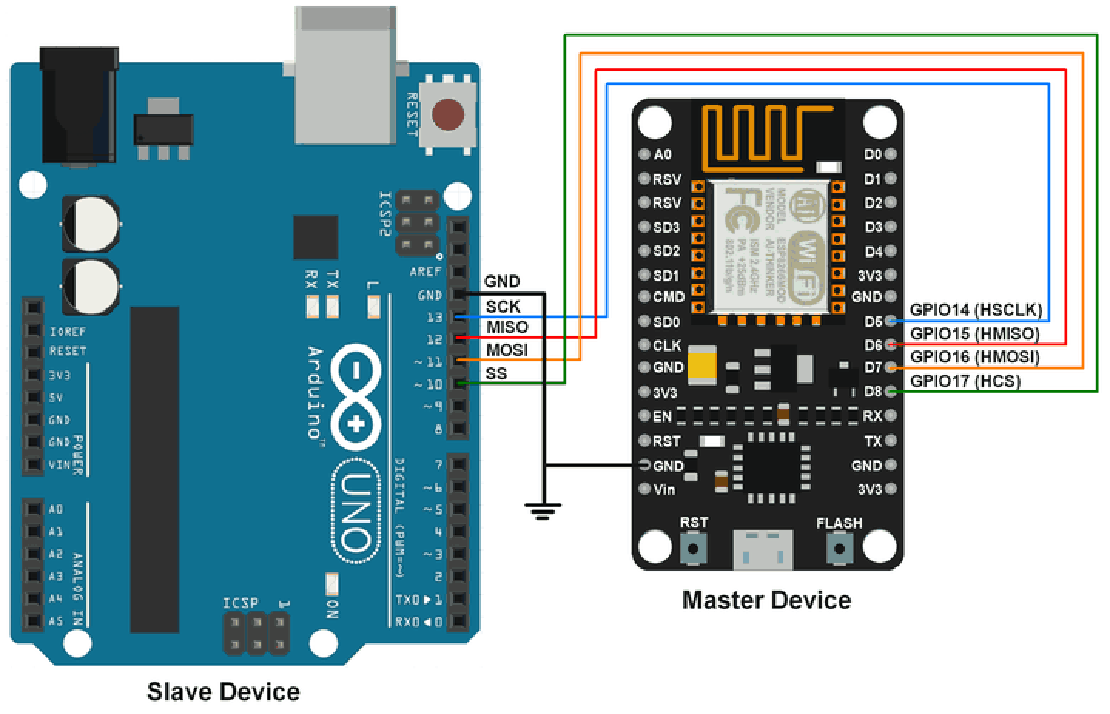
SPI: Understanding the Serial Peripheral Interface Protocol
SPI is a synchronous serial communication protocol designed for high-speed, full-duplex data exchange between a master device and one or more peripheral (slave) devices. It was originally developed by Motorola and remains widely adopted in microcontrollers, sensors, memory chips, ADCs/DACs, displays, and more.
Read more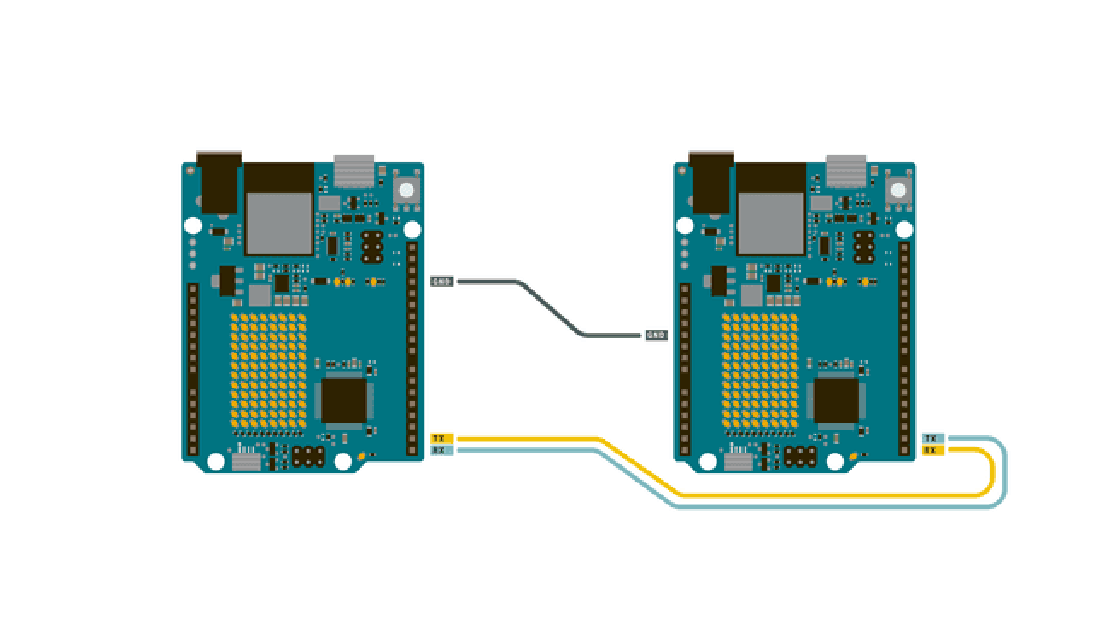
UART: A Detailed Overview of Asynchronous Serial Communication
UART is one of the oldest and most fundamental methods of serial communication in embedded systems. As its name suggests, it operates asynchronously, meaning there is no shared clock signal between the transmitter and the receiver. This makes UART especially attractive in scenarios where simplicity and minimal wiring are important.
Read more