This post is a continuation of the RISC-V pipeline optimisation post. That post took rv32i-pipe from a CPI of 1.3158 to 1.0675 and the dual issue …

category · 10 posts

This post is a continuation of the RISC-V pipeline optimisation post. That post took rv32i-pipe from a CPI of 1.3158 to 1.0675 and the dual issue …

This post documents the implementation, debugging, and verification required to run FreeRTOS and an interactive command-line interface on the dual-issue RV32IM …

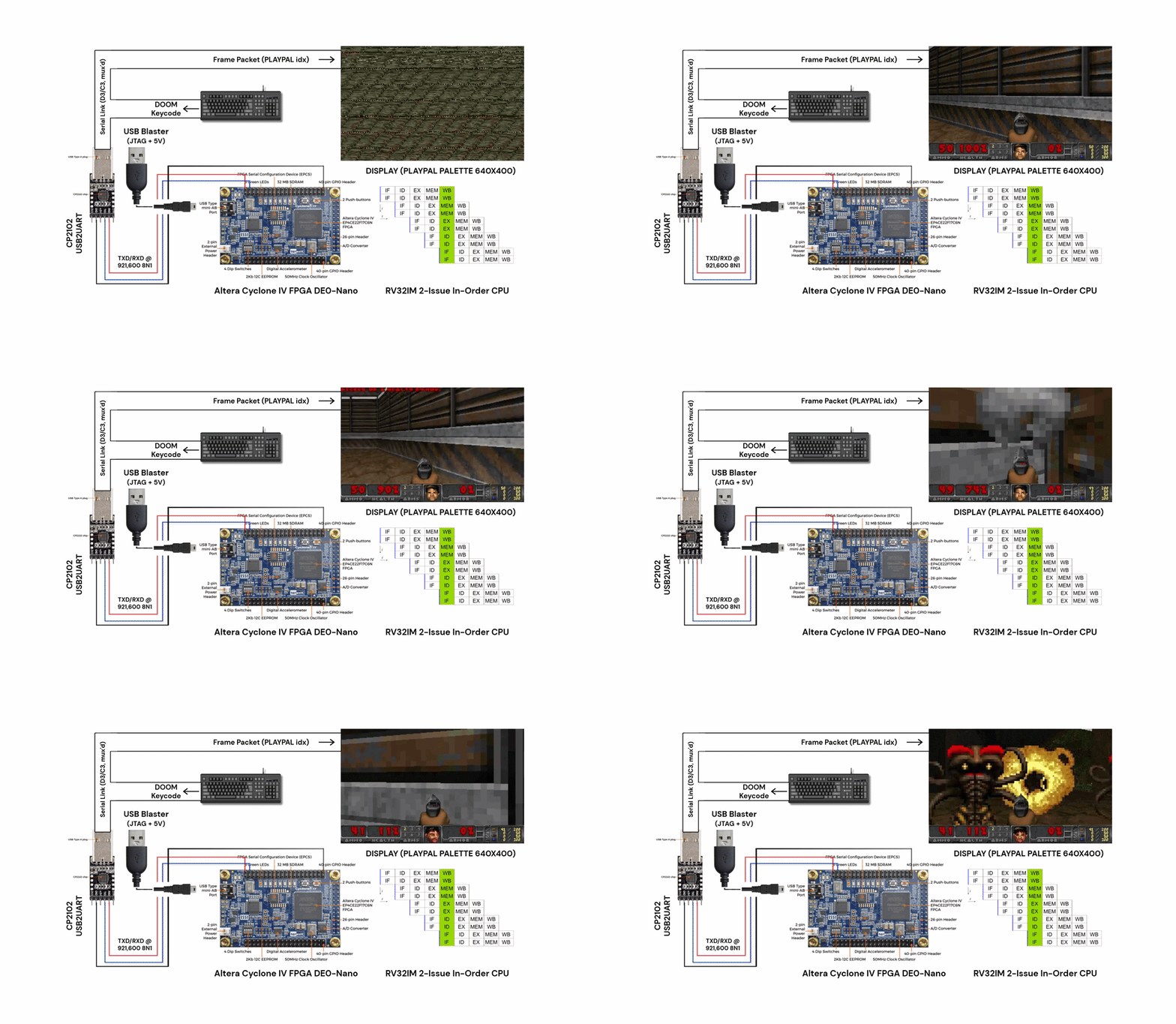
The core was validated in Verilator with a dual issue in order RV32IM pipeline, a hybrid predictor, a BTB, and a return address stack. A DOOM gameplay workload …

This blog is the complete record of a project that runs DOOM on a superscalar RISC-V core. The core and its peripheral bridge are plain synthesizable Verilog …

Tiny Tapeout is a shared multi-project wafer service. You submit a small digital design, it gets placed on a tile alongside hundreds of others, and the whole …

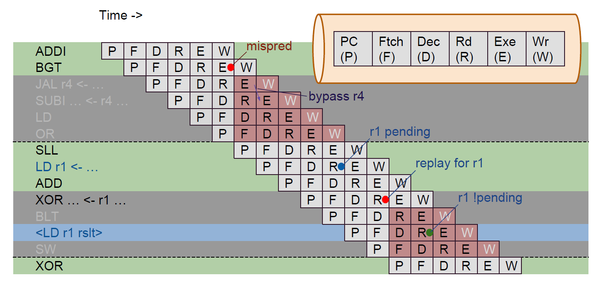
This post walks through the complete optimization journey of a single-issue pipelined RV32I core, from a plain five-stage implementation all the way to a …

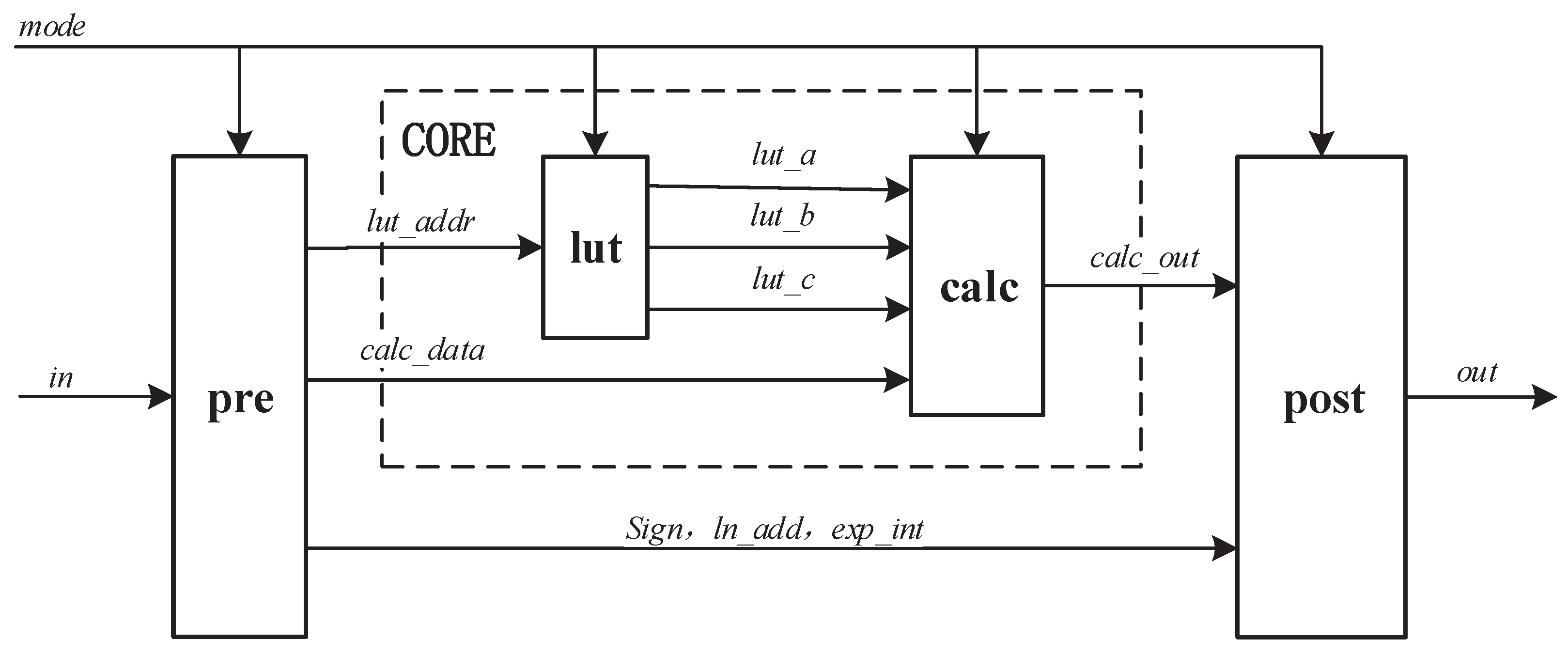
Computing sin(x), cos(x), arctan(x), e^x, and ln(x) in hardware is not as obvious as it sounds. Software on a general-purpose CPU offloads these to a …

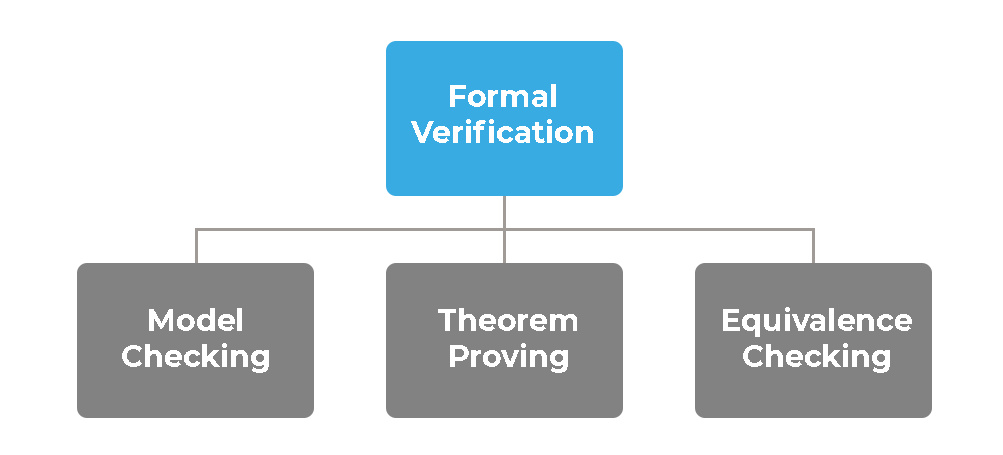
Simulation tells you what happened in the cases you thought of. Formal verification tells you what happens in every case that can ever occur. That difference …

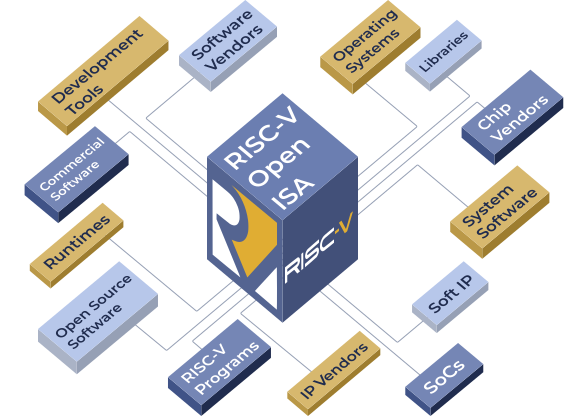
The architectural case for RISC-V rests on modularity: a clean base integer instruction set surrounded by optional standard extensions. However, an ISA is only …

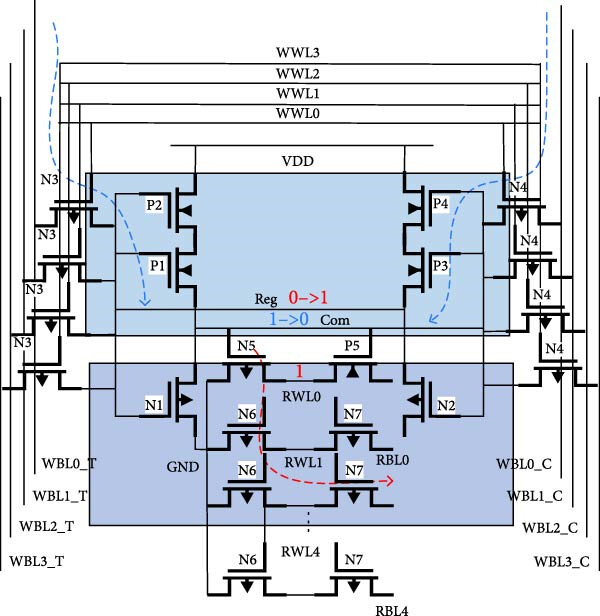
A register file is one of those structures that looks trivial until you actually build one. The concept is simple: a small block of fast storage inside a …